

The introduction of solar-powered pumps in Omoro and Pader districts has come with a transformative solution to one of the most pressing challenges facing women and girls in communities.
For years, water scarcity was long associated with multiple psychosocial stressors, including exposure to sexual and gender-based violence (SGBV).
Women and girls, in particular, experienced a high burden of household water management, including water-based chores like cooking and cleaning, and water collection.
In Lagwedola Village, Lujorongole Parish in Omoro District, 41-year-old Grace Aciro remembers how access to clean water once determined the mood at her home.
The nearest spring well, Lamin Ogole, is two kilometers away, a journey she trekked daily, often spending up to three hours in line for water. The delays sparked marital conflict.
According to her, food was often prepared late, laundry piled up, and she could bathe only once a day.
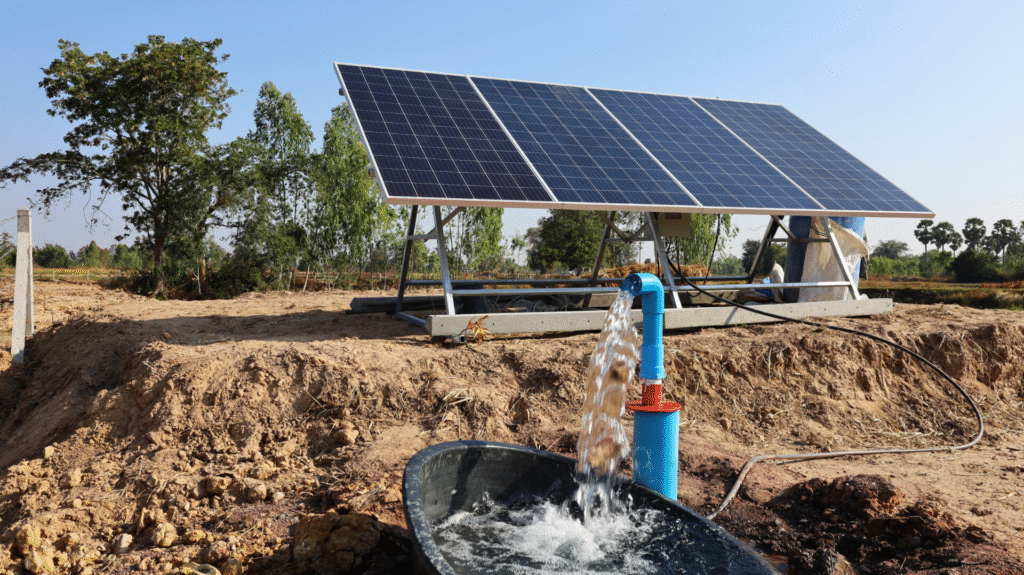
The turning point came in 2015 when the government, through the Ministry of Water and Environment, installed a solar-powered irrigation and domestic water system in the village.
The project, constructed by Nexus Green Ltd and funded by the UK Export Finance for 836 million shillings, now supplies constant water to households and farms with the capacity to pump 20,000 liters of water per hour.
Now, with water available any time and fetching water taking only 30 minutes, Aciro reports a significant improvement in her relationship with her husband and daily well-being.
The government, through Nexus Green Ltd, embarked on the construction of solar-powered water schemes across the country in 2023 and targets to provide reliable irrigation and domestic water, facilitate all-year-round crop production, and improve health.


Leave a Reply