

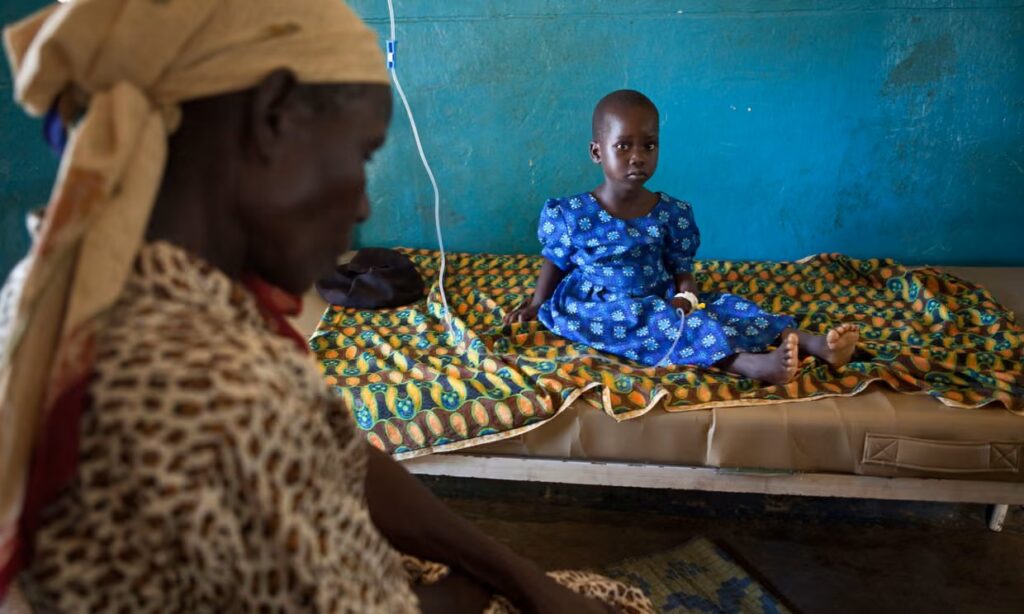
A worrying surge in Blackwater Fever cases has been recorded, with infections rising nearly tenfold, according to doctors.
The condition, a severe complication of malaria, occurs when red blood cells rupture in the bloodstream, releasing hemoglobin into circulation and darkening the urine—a dangerous signal of escalating illness.
Speaking at a meeting held last evening, Dr Ruth Namazzi, a Child Health Expert, urged clinicians to be keen and look out for symptoms of BWF whenever they receive children on the ward, warning that the complication is responsible for the increasing cases of kidney injury among children.

While no countrywide studies have been done to determine the exact extent of the problem, Namazzi says evidence from children’s wards is showing an increase in cases, and yet the complication had reduced when Uganda dropped anti-malarial drug quinine.
Doctors say the rebound is concerning, considering that patients testify to resorting to the use of herbs when they notice dark red or black urine, since there is currently limited awareness that malaria can be associated with such symptoms.
The Eastern region is reported to have the highest number of BWF cases, and an earlier assessment done by epidemiologists at the National Public Health Institute in sixteen regional referral hospitals found that more than half of the 4000 children identified to have suffered from the complication were picked from districts of Eastern Uganda.
Prof Richard Idro, a Pediatrician and Senior Malaria Researcher, says the current high rates of BWF speak to the fact that children who contract malaria are not treated promptly. According to him, when one is infected, they should be treated within twenty-four hours to prevent the risk of parasites multiplying, further damaging cells, and causing death.
By URN


Leave a Reply