A recent community survey conducted by Kitgum General Hospital has revealed that six out of every ten households in Kitgum Municipality are keeping unused medicines at home, raising serious concerns about self-medication, improper storage, and unsafe disposal practices.
The study, conducted across the three divisions of Pager, Central, and Pandwong, covered 1,362 homes; they found unused medications in approximately 817 households, which is about 60 per cent of those visited.
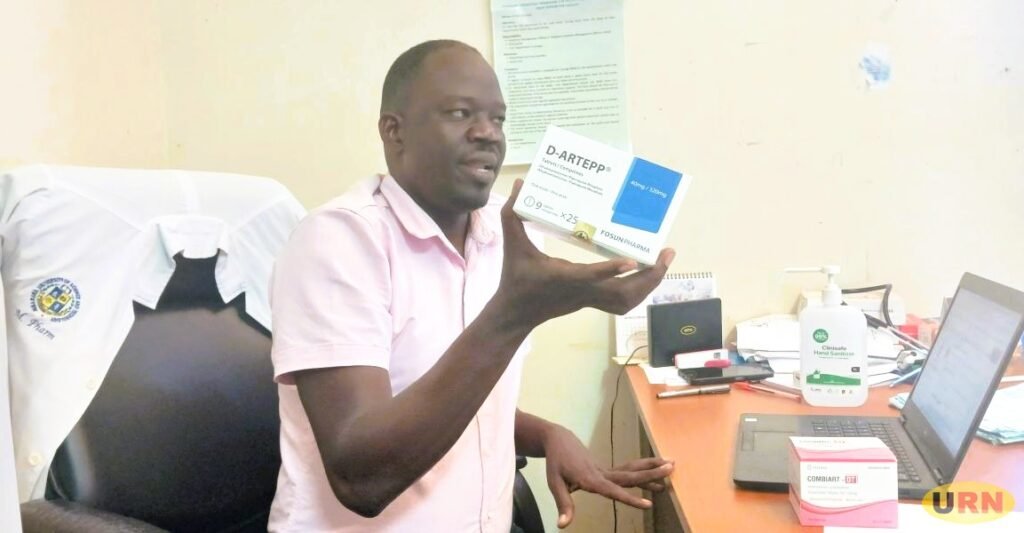
Dr. Alex Komakech Aboda, Senior Hospital Pharmacist for Kitgum, reveals that most of the medicines discovered were intended for short-term illnesses.
These included antimalarial drugs, painkillers, antibiotics, and antibiotic syrups commonly prescribed for children.
He notes that the findings confirm long-standing public concerns about self-medication in the municipality.
Dr Komakech mentions that residents gave several reasons for keeping the medicines.
The most common was anticipation of future illness. Others cite frequent stock outs at the hospital, saying it was safer to keep drugs at home.
Many parents also say they retained medicines as a form of first aid, particularly for children who fall sick at night when reaching a health facility is difficult.
However, the survey uncovered worrying practices around storage and disposal.
Medicines were found kept in ordinary cupboards, pots, near windows, under beds, and even in kitchens where cooking takes place.
Dr Komakech says such conditions expose the drugs to heat and humidity far above recommended levels, reducing their effectiveness and potentially making them harmful.
He stresses that disposal methods were equally problematic. Most households simply threw unused or expired medicines into household rubbish pits or toilets.
A few burn them. Dr. Komakech stresses that this is dangerous, especially for children who may pick up discarded tablets while playing.
He appeals to the public to stop self-medication and seek professional advice.
By Denis Opoka



Leave a Reply